American Security Safe Opening Instructions: A Comprehensive Guide (Updated 04/14/2026)
Today’s date is 04/14/2026 21:17:57 ()․ This guide provides detailed instructions for accessing your American Security safe, covering various lock types and troubleshooting steps․
Understanding Your American Security Safe
Your American Security safe represents a significant investment in protecting your valuables․ Familiarizing yourself with its features and operational principles is crucial for ensuring smooth access and long-term reliability․ American Security (AMSEC) safes are renowned for their robust construction and diverse locking mechanisms, designed to deter theft and provide peace of mind․
Before attempting to open your safe, it’s essential to identify the type of lock installed․ AMSEC offers a range of options, including 3-digit and 4-digit mechanical combination locks, as well as sophisticated electronic/digital locks․ Understanding your specific lock type is the first step towards successful operation․ Refer to any accompanying documentation or operating manuals provided with your safe․
Additionally, be aware of the safe’s overall construction and any specific features, such as boltwork design or relocking devices․ Proper handling and maintenance, including lubrication and cleaning, will contribute to the safe’s longevity and prevent potential opening issues․ Remember to explore AMSEC’s resources for clear instruction on lock usage․
Types of American Security Safe Locks
American Security (AMSEC) safes utilize a variety of locking mechanisms to cater to diverse security needs and user preferences․ The most common types include mechanical combination locks, available in both 3-digit and 4-digit configurations, and electronic/digital combination locks offering enhanced convenience and features․
3-digit mechanical locks are a traditional choice, relying on a rotating dial and precise manipulation of numbered wheels; 4-digit mechanical locks provide increased complexity and security through a longer combination sequence․ Both types require a deliberate and methodical approach to opening․
Electronic/digital locks employ a keypad for combination entry, often incorporating features like audit trails, multiple user codes, and time delay functions․ These locks generally require battery power for operation․ Key locks are also sometimes incorporated as a secondary or override mechanism, often requiring a key to release the boltwork after entering the combination․ Understanding the specific lock on your AMSEC safe is paramount for successful operation and access to your valuables․
3-Digit Mechanical Combination Locks
American Security 3-digit mechanical combination locks represent a classic security solution, prized for their reliability and resistance to electronic manipulation․ These locks feature a dial with numbers 0-39, requiring a precise sequence of rotations to unlock the safe․ The combination consists of three numbers, each corresponding to a specific position on the dial․

Operating these locks demands patience and a methodical approach․ Begin by slowly rotating the dial clockwise, passing the first number multiple times․ Then, rotate counterclockwise, passing the first number again, before stopping precisely on the second number․ Repeat this process for the third number․
Successful opening relies on “listening for the drop” – a subtle click or feeling of release as the lock’s internal components align․ If the bolt doesn’t release, do not force it; repeat the sequence carefully․ Remember, consistent, slow movements are key to unlocking these robust safes․
4-Digit Mechanical Combination Locks
American Security 4-digit mechanical combination locks offer increased security over their 3-digit counterparts, utilizing a more complex sequence for access․ Like the 3-digit models, these locks rely on a rotating dial marked with numbers 0-39, but require four distinct numbers to be entered correctly․
The process involves rotating the dial clockwise, passing the first number at least four times, then counterclockwise, again passing the first number four times, before stopping precisely on the second number․ This sequence is repeated for the third and fourth numbers, demanding meticulous attention to detail․
Accuracy in sequence and number selection is paramount․ A slight miscalculation can prevent the lock from opening․ As with 3-digit locks, listen carefully for the subtle “drop” indicating successful alignment of the internal mechanisms․ Avoid applying excessive force; instead, patiently repeat the combination if necessary․
Electronic/Digital Combination Locks
American Security safes equipped with electronic or digital combination locks provide a modern and convenient access method․ These locks utilize a keypad for entering a pre-set numerical code, eliminating the need for a dial and physical manipulation․ However, they rely on battery power for operation, making regular maintenance crucial․
Initial setup typically involves programming a master code and potentially multiple user codes․ Refer to the safe’s specific manual for detailed instructions on this process․ When entering the combination, ensure a steady and deliberate pace, avoiding accidental key presses․ The lock will usually provide visual or auditory confirmation upon successful entry․
Pay close attention to low battery indicators, as a depleted battery can render the lock inoperable․ Most electronic locks feature an override procedure, often involving a key or a secondary combination, to regain access in such situations․ Familiarize yourself with this procedure beforehand․
Opening a 3-Digit Combination Lock – Step-by-Step
Unlocking an American Security safe with a 3-digit mechanical combination lock requires precision and patience․ Begin by slowly rotating the dial clockwise, passing the first number in your combination at least three full revolutions․ Then, rotate the dial counterclockwise, stopping precisely on the first number․

Next, repeat the process for the second and third numbers in your combination․ Rotate clockwise, passing the number three times, then counterclockwise to land directly on it․ After entering the final number, apply firm and steady pressure as you turn the handle․
Listen carefully for a subtle “click” or “drop” as the lock mechanism engages․ This indicates that the bolt work is releasing․ If the handle doesn’t open immediately, do not force it; repeat the combination slowly and deliberately, focusing on precise positioning․
Slow Movement & Listening for the Drop
The key to successfully opening a mechanical combination safe lies in deliberate, slow movements of the dial․ Rushing the process significantly reduces your chances of success; Each number should be passed with a controlled rotation, ensuring the gate fully clears before proceeding to the next․
Focus intently on the tactile and auditory feedback․ A faint “click” or a subtle “drop” within the lock mechanism signifies that the correct gate has fallen into place․ This sound is often very quiet and requires a focused listening environment․
Avoid applying excessive force to the dial or handle․ Gentle, consistent pressure is all that’s needed․ If you don’t hear or feel the drop, don’t force the handle; instead, carefully retrace your steps and repeat the combination, concentrating on precise dial positioning and attentive listening․
Dealing with a Stuck Bolt

Occasionally, the bolt within an American Security safe may become difficult to move, even after entering the correct combination․ This can be due to infrequent use, internal friction, or slight misalignment․ Avoid forceful manipulation, as this could damage the locking mechanism․
First, gently attempt to rotate the handle in both directions while simultaneously applying slight pressure to the dial․ This can sometimes help to dislodge a sticking bolt․ If this fails, try slowly repeating the combination several times, focusing on smooth dial movements․
A small amount of specialized lock lubricant (specifically designed for safes – avoid WD-40!) can be carefully applied to the bolt area, if accessible․ However, use this sparingly․ If the bolt remains stubbornly stuck, it’s crucial to contact a qualified locksmith to prevent further damage․
Opening a 4-Digit Combination Lock – Detailed Instructions
Successfully opening a 4-digit American Security safe requires precise execution․ Begin by slowly rotating the dial clockwise, passing zero each time, until you reach the first number in your combination․ Stop precisely on that number․
Next, rotate the dial counterclockwise, again passing zero, to the second number․ Repeat this process for the third and fourth numbers, ensuring accurate stops at each digit․ The key is consistent, deliberate movement․
After entering the final number, apply firm and steady pressure while rotating the handle counterclockwise․ The bolt should release, allowing you to open the safe․ Remember, the correct sequence is paramount; any deviation will prevent access․ Practice and patience are essential for mastering this process․
The Importance of Correct Sequence
Maintaining the precise order of your four-digit combination is absolutely critical when operating an American Security safe․ Unlike some locks allowing for minor variations, these safes demand strict adherence to the established sequence․
Each number must be entered in its designated position, rotating the dial clockwise to each digit and then counterclockwise to the next․ Any transposition or omission will result in the lock remaining secured, preventing access to your valuables․
Think of the combination as a specific code; altering even one digit renders the entire code invalid․ Consistent practice, coupled with a clear mental image of the sequence, is vital․ Remember, accuracy trumps speed – slow, deliberate movements are far more effective than rushed attempts․

Electronic Lock Operation: Initial Setup
Upon receiving your American Security safe with an electronic lock, initial setup is crucial for optimal performance․ Begin by installing the recommended batteries, ensuring correct polarity as indicated within the battery compartment․ Typically, this involves AA or AAA batteries, depending on the model․
After battery installation, the keypad should illuminate, prompting you to program a master combination․ Refer to your safe’s specific manual for the exact procedure, as it can vary slightly between models․ Generally, this involves entering a pre-set factory code (often found in the manual) followed by your desired combination․
Record your combination in a secure, yet accessible location – separate from the safe itself! Test the combination several times to confirm it functions correctly before storing valuables․ Familiarize yourself with the lock’s features, including any audit trail capabilities or time delay settings․
Entering the Combination on Digital Locks
To open your American Security safe equipped with a digital lock, begin by ensuring the keypad is active – a lit display indicates readiness․ Enter your pre-programmed combination precisely, paying close attention to the order and individual digits․ Avoid rushing; a deliberate pace minimizes errors․
Many models feature a “pound” (#) or “enter” key that must be pressed after the final digit to confirm the combination․ Listen for an audible click or beep, signaling successful entry․ The handle should now be released, allowing you to open the safe door․
If the combination is entered incorrectly, the lock will typically indicate an error, often with a flashing light or error message․ Allow a brief pause before attempting the combination again․ Repeated incorrect attempts may trigger a lockout feature, requiring a specific override procedure – consult your manual․
Low Battery Indicators & Override Procedures
Digital locks rely on battery power, and a low battery can prevent safe access․ American Security safes typically provide a clear warning – a flashing light or a “Low Battery” message on the keypad display․ Do not ignore these indicators; replace the batteries promptly․
Most models allow for an emergency override using a key or a secondary power source․ Consult your safe’s manual to locate the override access point, usually a keyway concealed behind a panel․ Using the correct key, you can manually unlock the safe even with depleted batteries․
Always keep a fresh set of batteries readily available․ Regular battery checks are crucial for maintaining reliable safe operation․ Failing to address low battery warnings could lead to lockout situations, potentially requiring professional locksmith assistance․
Key Lock Operation & Maintenance
Many American Security safes incorporate a key lock as a primary or secondary security measure․ To operate, insert the correct key into the lock cylinder and turn it clockwise․ Ensure the key turns smoothly; forced turning can damage the mechanism․ A bag hanging on the handle of the safe, turn the key to the left (counterclockwise) approximately․
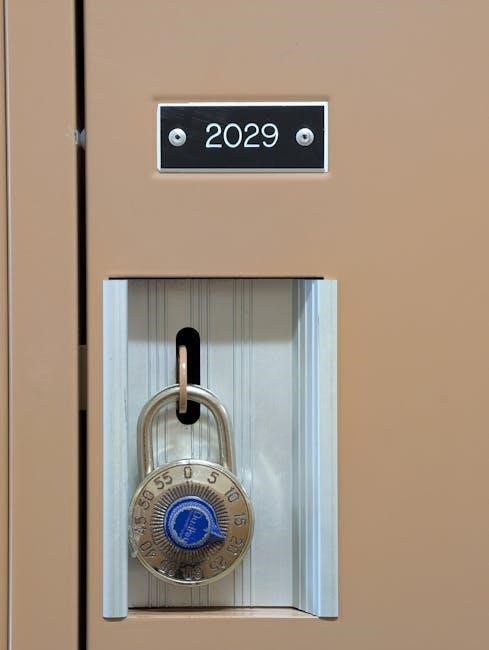
Regular maintenance is vital for key lock functionality․ Periodically lubricate the keyway with a graphite-based lubricant – avoid oil-based products, as they attract dust and grime․ Keep the key clean and free from debris․ If the key becomes difficult to insert or turn, do not force it․
Consider having duplicate keys made by a qualified locksmith for safekeeping․ Store the duplicates in a secure, separate location․ Protect your key from unauthorized access to prevent potential security breaches․ Proper key management is essential for maintaining safe security․

Key Considerations: Lubrication & Cleaning
Maintaining your American Security safe’s locking mechanism requires consistent lubrication and cleaning․ Use a graphite-based lubricant specifically designed for locks; avoid oil-based products, as they can attract dust and create a sticky residue․ Apply the lubricant sparingly into the keyway and tumbler area․
Regular cleaning prevents buildup that hinders smooth operation․ Wipe down the exterior of the lock with a soft, dry cloth to remove dust and fingerprints․ Avoid using abrasive cleaners or solvents, as they can damage the finish․ Inspect the keyway for any visible debris and gently remove it with compressed air․
Proper lubrication and cleaning extend the life of your safe’s lock and ensure reliable performance․ Address any stiffness or resistance immediately; ignoring these signs can lead to more significant issues․ Consistent care is a proactive step towards long-term security․
Troubleshooting Common Opening Issues
Encountering difficulties opening your American Security safe can be frustrating․ A stuck bolt often results from infrequent use or improper lubrication; applying gentle pressure while manipulating the combination may resolve this․ If the combination isn’t working, double-check for accuracy and ensure you’re following the correct sequence․
Electronic locks may fail due to low batteries․ Replace the batteries immediately and attempt to open the safe again․ If the keypad is unresponsive, consult the override procedures in the manual․ For mechanical locks, a dragging or stiff feel indicates a need for lubrication and cleaning․

Avoid excessive force when troubleshooting, as this can damage the locking mechanism․ Document any issues and attempted solutions before seeking professional assistance․ Persistent problems warrant a call to a qualified locksmith specializing in American Security safes․
When to Call a Professional Locksmith
Attempting to force open your American Security safe can cause significant damage, potentially rendering it unusable․ If you’ve exhausted troubleshooting steps – including checking the combination, batteries (for electronic locks), and lubrication – without success, it’s time to seek expert help․
A qualified locksmith specializing in safes possesses the tools and knowledge to diagnose and resolve complex issues․ Signs you need a professional include a completely unresponsive lock, a severely stuck bolt that won’t budge with gentle manipulation, or suspected internal mechanical failure․

Avoid DIY repairs beyond basic maintenance, as improper handling can void your warranty․ Choose a locksmith with a proven track record and positive reviews․ Document all previous attempts to open the safe to assist the locksmith in their assessment and repair process․
Preventative Maintenance for Smooth Operation
Regular maintenance significantly extends the lifespan and reliability of your American Security safe․ For mechanical locks, occasional lubrication with a graphite-based powder is crucial․ Avoid oil-based lubricants, as they attract dust and grime, hindering smooth operation․ Apply sparingly, focusing on the lock mechanism and bolt work․
Electronic locks require periodic battery checks and replacements․ Use high-quality batteries and replace them even if the low battery indicator hasn’t illuminated, preventing potential lockouts․ Keep the safe’s exterior clean, wiping away dust and debris to prevent corrosion․
Periodically test the lock’s functionality by attempting to open it with the correct combination․ Ensure the door closes securely and the bolt fully engages․ Proper care ensures years of dependable protection for your valuables․
American Security Safe Customer Support & Resources
For immediate assistance with your American Security safe, or if you encounter persistent opening issues, their dedicated customer support team is readily available․ You can reach them through various channels, including phone support and online resources․
Visit the American Security Products Co․ website at 11925 Pacific Avenue, Fontana, CA 92337 for a comprehensive library of operating manuals and frequently asked questions․ These resources offer detailed guidance on lock operation, troubleshooting, and maintenance procedures․
Additionally, consider consulting a qualified locksmith specializing in high-security safes․ Professional locksmiths possess the expertise to diagnose complex issues and perform necessary repairs․ Remember to document your safe’s model number and serial number when contacting support or a locksmith for efficient service․