

50 Amp Manual Transfer Switch: A Comprehensive Guide
This guide details the installation, operation, and maintenance of 50 amp manual transfer switches, ensuring a reliable backup power solution for your home or RV.
Understanding these switches is crucial for safely connecting a portable generator during power outages, providing essential electricity for critical appliances and systems.
Understanding Manual Transfer Switches

Manual transfer switches are essential devices enabling safe switching between utility power and a backup generator source. Unlike automatic transfer switches, they require manual intervention to change power feeds, offering a cost-effective solution for intermittent power needs.
A 50-amp model, specifically, is designed to handle higher electrical loads, commonly found in larger homes or RVs with numerous appliances. These switches isolate your home’s electrical system from the utility grid when a generator is in use, preventing dangerous backfeeding – electricity flowing back into the power lines, endangering utility workers.
They function by physically disconnecting the main power supply and connecting the generator’s output, ensuring a secure and controlled power transition. Proper installation, adhering to NEC and CEC codes, is paramount for safe and reliable operation.
What is a 50 Amp Manual Transfer Switch?
A 50 Amp Manual Transfer Switch is an electrical component designed to safely route power from an alternative source – typically a portable generator – to your home’s electrical system during a utility power outage. It’s rated to handle a maximum current of 50 amps at 125/250 volts, making it suitable for larger electrical demands.
This device isn’t a power source itself; it’s a transfer mechanism. It physically disconnects your home from the grid, preventing backfeeding, and connects it to the generator. Operation requires manual switching, unlike automatic models;
These switches feature pre-wired circuits allowing selection of essential loads. Brands like GE, Furrion, and Go Power offer various models, each with specific features and installation requirements. Correct installation, following manufacturer guidelines, is vital for safety and functionality.
Benefits of Using a 50 Amp Transfer Switch
Employing a 50 Amp Manual Transfer Switch delivers significant advantages during power disruptions. Primarily, it ensures safety by preventing dangerous backfeeding to the utility grid, protecting line workers. It allows selective powering of essential circuits – refrigerators, heating systems, well pumps – maximizing generator runtime.
Compared to extension cords, a transfer switch offers a cleaner, more organized, and safer power distribution method. It eliminates the need to run multiple cords and reduces the risk of overloading circuits.
Furthermore, these switches enhance convenience and peace of mind. They are compatible with portable generators, offering a cost-effective backup solution. Models from GE, Furrion, and Go Power provide reliable performance, and proper installation ensures a seamless transition between power sources.
Safety Precautions Before Installation
Prioritize safety before installing a 50 Amp Manual Transfer Switch. Always disconnect power at the main breaker panel – confirm it’s off with a voltage tester. Ensure the generator is completely off and disconnected before commencing any wiring.
Consult local electrical codes (NEC and CEC) and obtain necessary permits. Incorrect wiring can create fire hazards or electrocution risks. If you’re uncomfortable with electrical work, hire a qualified electrician.
Verify the transfer switch is appropriately sized for your generator and electrical panel. Carefully read the manufacturer’s instructions – GE, Furrion, and Go Power models may have specific requirements. Wear appropriate personal protective equipment (PPE), including safety glasses and insulated gloves.

Installation Process
Proper installation is vital for safe and effective operation. This involves disconnecting power, mounting the switch, carefully wiring both the main panel and generator inlet, and grounding.
Tools and Materials Needed
Successfully installing a 50 amp manual transfer switch requires specific tools and materials to ensure a safe and compliant setup. Essential tools include screwdrivers (various types), wire strippers, pliers, a voltage tester, and a level to ensure proper switch mounting.
You’ll also need appropriately sized wiring – typically 6 AWG or 8 AWG copper wire – suitable for the amperage, along with wire connectors and conduit for safe wire routing. A drill with various bits is necessary for mounting the switch securely.
Furthermore, ensure you have a suitable enclosure for the transfer switch, circuit breakers compatible with the switch, and appropriate grounding materials. Don’t forget safety gear like gloves and eye protection. Finally, consult the transfer switch’s manual for any specific, model-dependent requirements.
Step 1: Disconnecting Power Sources
Prioritizing safety, the first step in installing a 50 amp manual transfer switch is completely disconnecting all power sources. This includes switching off the main breaker in your electrical panel, effectively cutting power to the entire house. Verify the power is off using a non-contact voltage tester on relevant circuits.
Crucially, if you’re also connecting a generator, ensure it is completely switched off and the external power cord is unplugged. If an inverter is present, it must also be shut down. This multi-faceted disconnection prevents dangerous backfeeding and ensures a safe working environment.
Double-check all connections before proceeding; safety is paramount. Ignoring this step could result in severe electrical shock or damage to your equipment.
Step 2: Mounting the Transfer Switch
Securely mounting the 50 amp transfer switch is vital for safe and reliable operation. Choose a readily accessible location, typically near your main electrical panel, ensuring sufficient space for wiring and operation. The enclosure should be mounted firmly to a wall stud or suitable backing, using appropriate screws and hardware.
Verify the mounting surface is level to prevent strain on the switch mechanism. Consider the proximity to the generator inlet and main panel for shorter wire runs. Ensure adequate ventilation around the switch to prevent overheating.
Follow the manufacturer’s instructions regarding mounting height and clearances, adhering to all local electrical codes. A stable and secure mount is essential for long-term performance.
Step 3: Wiring the Main Panel
Connecting the transfer switch to your main electrical panel requires careful attention to detail and strict adherence to safety protocols. First, identify the circuits you intend to power with the generator. Install appropriately sized circuit breakers within the transfer switch enclosure, matching the amperage of the corresponding circuits in your main panel.
Run appropriately gauged wiring from the transfer switch to the designated breaker spaces in the main panel. Ensure all connections are tight and secure, using proper wire connectors. Label each wire clearly for easy identification.
Double-check all wiring before proceeding, verifying correct polarity and grounding. This step is critical for preventing electrical hazards and ensuring proper system function.
Step 4: Wiring the Generator Inlet
The generator inlet serves as the connection point for your portable generator. Select a suitable location for the inlet, ensuring it’s weatherproof and easily accessible. Mount the inlet securely, following the manufacturer’s instructions. Use appropriately sized wiring to connect the inlet to the transfer switch, matching the wire gauge to the 50-amp capacity.
Ensure the wiring is routed safely, protected from physical damage. Connect the hot, neutral, and ground wires to the corresponding terminals in both the inlet and the transfer switch. Proper grounding is essential for safety.
Verify all connections are tight and secure before proceeding. Remember to always start the generator before engaging the transfer switch.
Step 5: Connecting Neutral and Ground Wires
Properly connecting neutral and ground wires is paramount for safety and correct operation. The neutral wire, typically white, should be connected to the neutral bus bar within the transfer switch. Ensure a secure connection, preventing loose wires that could cause arcing or overheating.
The ground wire, usually green or bare copper, must be connected to the grounding terminal in both the main panel and the transfer switch. This establishes a critical safety path, diverting fault currents to the ground. Double-check that the grounding connections are robust and free from corrosion.
Follow all applicable NEC or CEC codes regarding grounding and neutral connections. Incorrect wiring can lead to electrical shock or damage to equipment.

Operation and Usage
Safely switching between utility and generator power is essential, requiring understanding of the transfer switch’s functions and features for reliable backup power.
How to Switch Between Power Sources
To switch power sources with a 50 amp manual transfer switch, first ensure your generator is running and stable, providing the correct voltage and frequency. Then, disconnect from the utility grid – this is a critical safety step. Next, move the transfer switch lever to the “Generator” position. This isolates your home’s electrical system from the utility lines and connects it to the generator.
Carefully monitor the generator load to avoid overloading it. Only power essential circuits initially. When utility power returns, shut down the generator. Then, move the transfer switch back to the “Utility” position, reconnecting to the grid. Always return the switch to the utility position before restoring grid power to prevent backfeeding, which is dangerous and illegal.
Remember, a manual transfer switch requires your active participation; it doesn’t automatically switch over.
Testing the Transfer Switch
Thoroughly testing your 50 amp manual transfer switch is vital for ensuring it functions correctly during an outage. After installation, with the generator off, switch to “Generator” and verify no power is supplied to any circuits. Then, start the generator and switch to “Generator” again. Confirm power is now available to the designated circuits.
Test several key appliances and outlets to ensure proper operation. Switch back to “Utility” – power should return to those circuits. Repeat this process several times to confirm reliable switching.
Regular testing, at least monthly, is recommended. This proactive approach identifies potential issues before an emergency. If any anomalies are detected – flickering lights, tripped breakers, or no power – immediately investigate and address the problem before relying on the system.
Important Considerations for Generator Compatibility
Ensuring generator compatibility with your 50 amp transfer switch is paramount for safe and efficient operation. The generator’s wattage must meet or exceed the total wattage of the circuits you intend to power. Carefully calculate the running and starting wattage of all connected appliances.
Most transfer switches are designed for use with portable generators, but some can accommodate permanently installed standby units. Verify the switch’s specifications regarding generator type.
Consider the generator’s voltage and phase (typically 120/240V split-phase for residential use). A generator that isn’t appropriately sized or configured can damage the transfer switch or connected appliances. Always consult the transfer switch and generator manuals for specific compatibility guidelines.
Understanding Transfer Switch Features
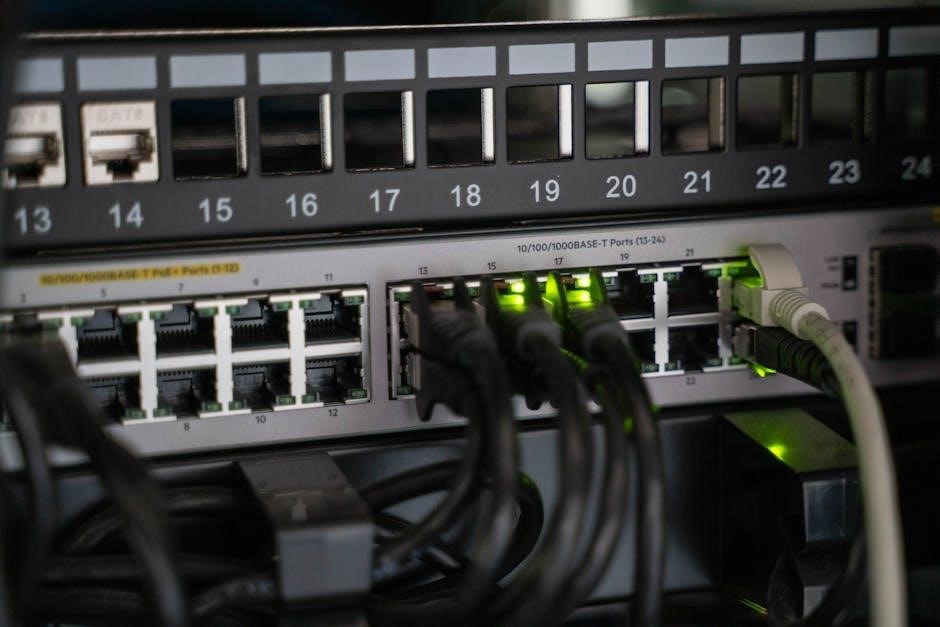
50 amp manual transfer switches offer several key features designed for ease of use and safety. These switches typically include clearly labeled circuit breakers, allowing selective transfer of essential circuits during an outage.
The “normal” position connects your home to the utility grid, while the “generator” position isolates from the grid and connects to your generator.
Some models feature a priority circuit, ensuring critical loads like refrigerators or medical equipment always have power.
Features like interlocks prevent backfeeding electricity onto the utility lines, a dangerous and illegal practice. Always install and label circuit breakers compatible with the transfer switch, adhering to NEC/CEC codes.

Maintenance and Troubleshooting
Regular inspection and prompt troubleshooting are vital for a reliable 50 amp transfer switch system, ensuring optimal performance and safety during power disruptions.
Regular Inspection Checklist
A consistent inspection routine is paramount for maintaining the reliability of your 50 amp manual transfer switch. Begin by visually examining the switch for any signs of physical damage, such as cracks or loose components.
Carefully inspect all wiring connections within the transfer switch and at both the main panel and generator inlet, ensuring they remain tight and free from corrosion. Verify that all circuit breakers associated with the transfer switch are functioning correctly by performing a simple trip test.
Check the transfer switch’s labeling to confirm it accurately reflects the connected circuits. Periodically test the switch’s operation by simulating a power outage and switching between utility and generator power. Document all inspection findings and any maintenance performed to maintain a comprehensive record. Finally, ensure compliance with NEC/CEC codes.
Common Issues and Solutions
Several issues can arise with 50 amp manual transfer switches, but most are easily addressed. A frequent problem is a tripped breaker, often caused by overloading a circuit – reduce the load or redistribute appliances. Loose wiring connections can lead to intermittent power or sparking; tighten all connections carefully after disconnecting power.
If the switch fails to transfer power, verify the generator is producing sufficient voltage and that the switch is correctly positioned. Corrosion on contacts can impede conductivity; clean contacts with appropriate electrical contact cleaner.
A burning smell indicates a serious electrical fault – immediately disconnect power and consult a qualified electrician. Always prioritize safety and adhere to NEC/CEC guidelines when troubleshooting. If issues persist, contacting professional support is recommended.
NEC and CEC Code Compliance
Adhering to National Electrical Code (NEC) and Canadian Electrical Code (CEC) standards is paramount when installing a 50 amp manual transfer switch. These codes dictate proper wiring methods, grounding requirements, and overcurrent protection to ensure safety and prevent electrical hazards.
Specifically, Article 445 of the NEC covers generators and transfer switches, outlining requirements for proper installation and labeling. CEC regulations are similar, emphasizing safe practices.
Install listed and labeled circuit breakers compatible with the transfer switch, and all field modifications must follow applicable code articles. Proper grounding is critical to prevent shock hazards. Local codes may have additional requirements, so always consult with a qualified electrician to ensure full compliance before and during installation.
Contacting Support for Assistance
If you encounter difficulties during installation, operation, or troubleshooting of your 50 amp manual transfer switch, don’t hesitate to seek expert assistance. Several resources are available to guide you through any challenges.
For GE transfer switches, direct support is accessible via phone at (800) 975-7909 or email at supportnaturesgenerator.com. Furrion provides documentation and support through their website, detailing wiring diagrams and installation specifics for models like the F50ATS.
Go Power offers support for their GP-TS-50 model, and a qualified electrician is always recommended for complex installations or code compliance questions. Remember to have your model number and purchase information ready when contacting support for faster assistance.
Specific Brands and Models
Exploring popular options like GE, Furrion, and Go Power reveals diverse features and capabilities within the 50 amp transfer switch market, catering to varied needs.
GE 50 AMP Automatic Transfer Switch
The GE 50 AMP Automatic Transfer Switch, part of the Home Generator Series, offers a robust solution for seamless power transitions during outages. Installation requires careful adherence to the provided manual, ensuring compatibility with your generator and electrical system.
This switch is designed for use with portable generators, but can also accommodate permanently installed standby units. A key feature is its automatic operation – once the generator is running, the switch automatically transfers the load, eliminating manual intervention.
GE emphasizes the importance of following NEC and CEC codes during installation and any field modifications. Support is readily available via phone at (800) 975-7909 or email at supportnaturesgenerator.com for assistance with installation or operation. Proper maintenance and adherence to the manual’s instructions are vital for optimal performance and longevity.
Furrion Automatic Transfer Switch ⎼ 50 Amp
The Furrion Automatic Transfer Switch (F50ATS) – 50 Amp, is specifically designed for recreational vehicles, particularly models like the Weekend Warrior. Its installation involves carefully wiring it to compatible circuit breakers, as detailed in the included diagrams and labeling instructions.
Furrion provides a clear wiring diagram, often located on the top panel of the switch, illustrating the connection points for RV electrical systems. Beneath the lid, further details aid in proper installation.
Adherence to NEC and CEC code articles is crucial for any field modifications. This transfer switch streamlines the process of switching between shore power and generator power, enhancing convenience and safety during camping or off-grid adventures. Proper installation ensures reliable power distribution within the RV, supporting all essential appliances and systems.
Go Power GP-TS-50 50 Amp Transfer Switch
The Go Power GP-TS-50 50 Amp Transfer Switch is designed for RV applications, offering a robust solution for managing power sources. Installation begins with a critical safety step: disconnecting all power – generator off, external cord unplugged, and inverter shut down, if present.
Selecting an appropriate mounting location is key, ensuring accessibility and proper ventilation. The switch facilitates seamless transitions between shore power, generator power, and inverter power, providing flexibility for various camping scenarios.
Go Power emphasizes the importance of following a step-by-step installation process, prioritizing safety and correct wiring. This transfer switch enhances the reliability of your RV’s electrical system, allowing you to enjoy uninterrupted power wherever your travels take you. Careful adherence to the instructions guarantees optimal performance.